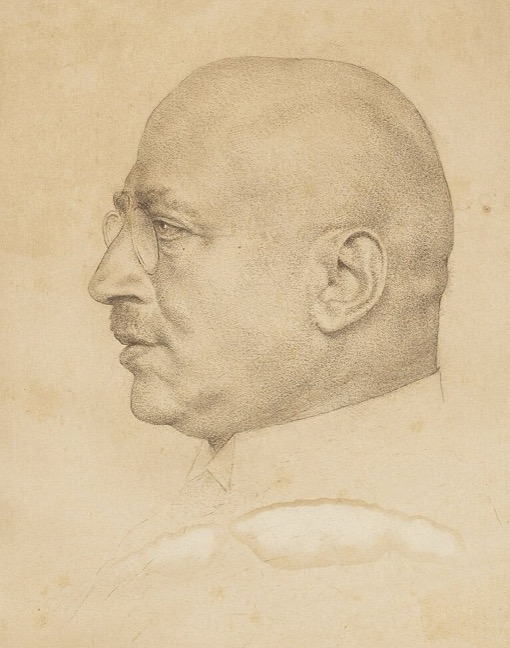
Fritz Haber
1868 to 1934
Ecology and Agriculture
Bread from air
In 1909 a chemist pulled nitrogen out of the sky and turned it into fertilizer. It worked. Then it kept working.
How to read the tile
Ecology and Agriculture. The color matches.
Haber was born in 1868.
The first two letters of the name.
The surname, or the short name of a program.
About a billion people (estimate).
About 100 million people (estimate).
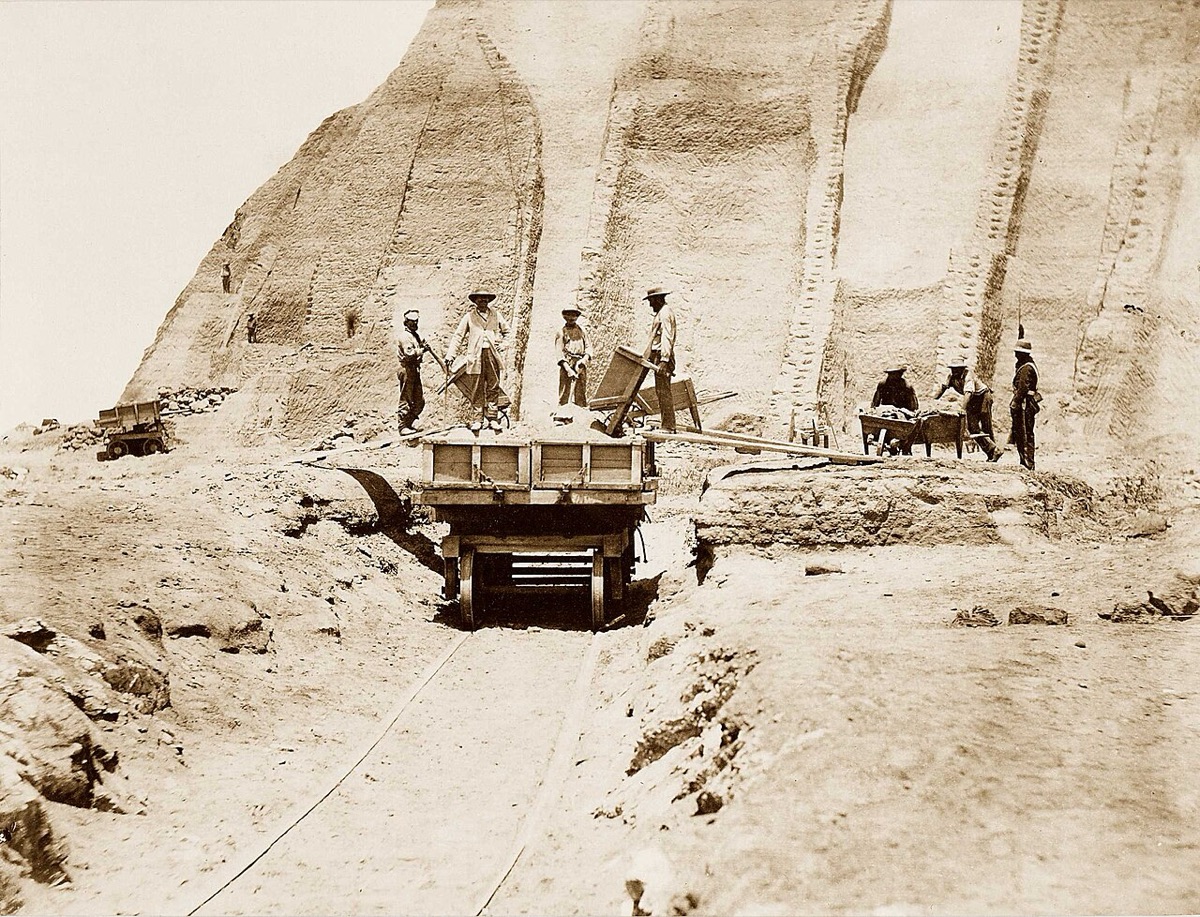
01 What it was meant to do
Fix a coming food shortage
Crops need nitrogen. Around 1900 most fertilizer nitrogen came from bird droppings dug off islands near Peru and from saltpeter mined in Chile. Both were running out. In 1898 the chemist William Crookes warned that the world would soon not grow enough wheat.
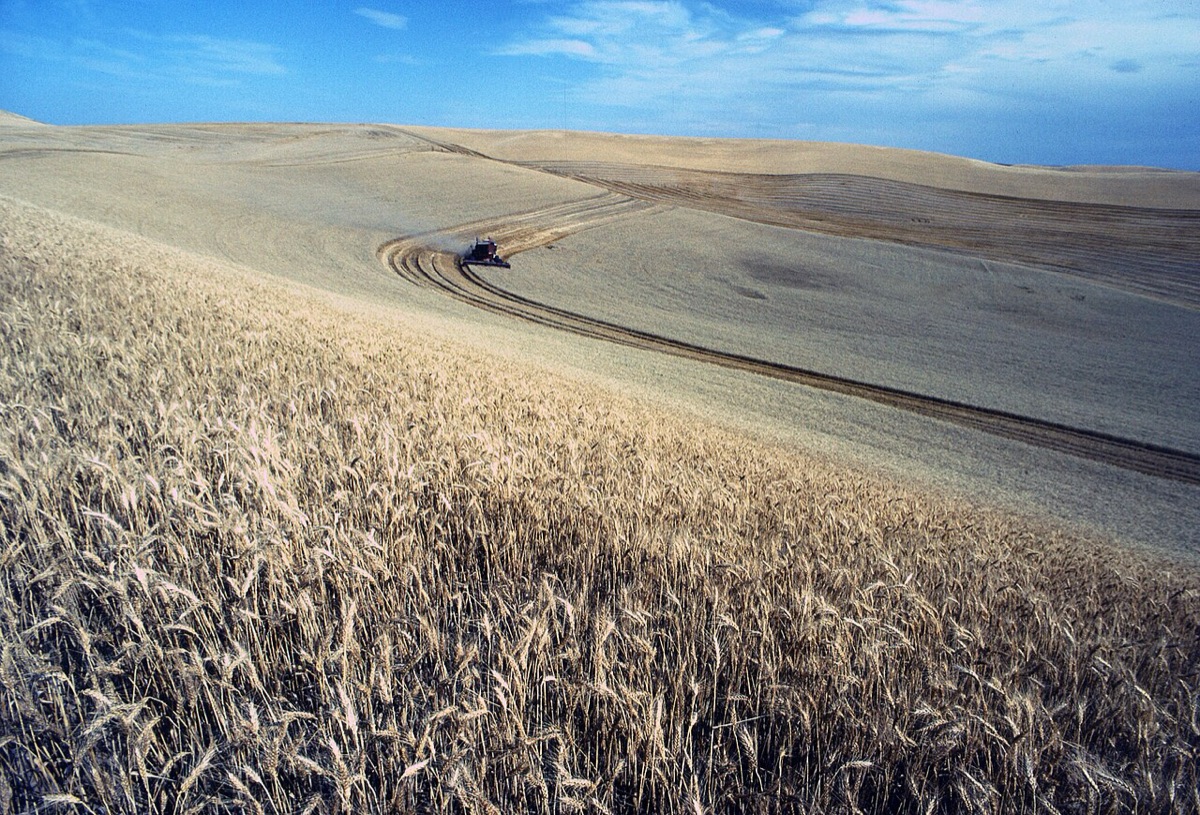
02 What went right
Half the world eats because of it
Fritz Haber found a way to make ammonia from the nitrogen in air. Carl Bosch scaled it up, and the first plant opened in 1913. Roughly half the people alive today eat food grown with it.
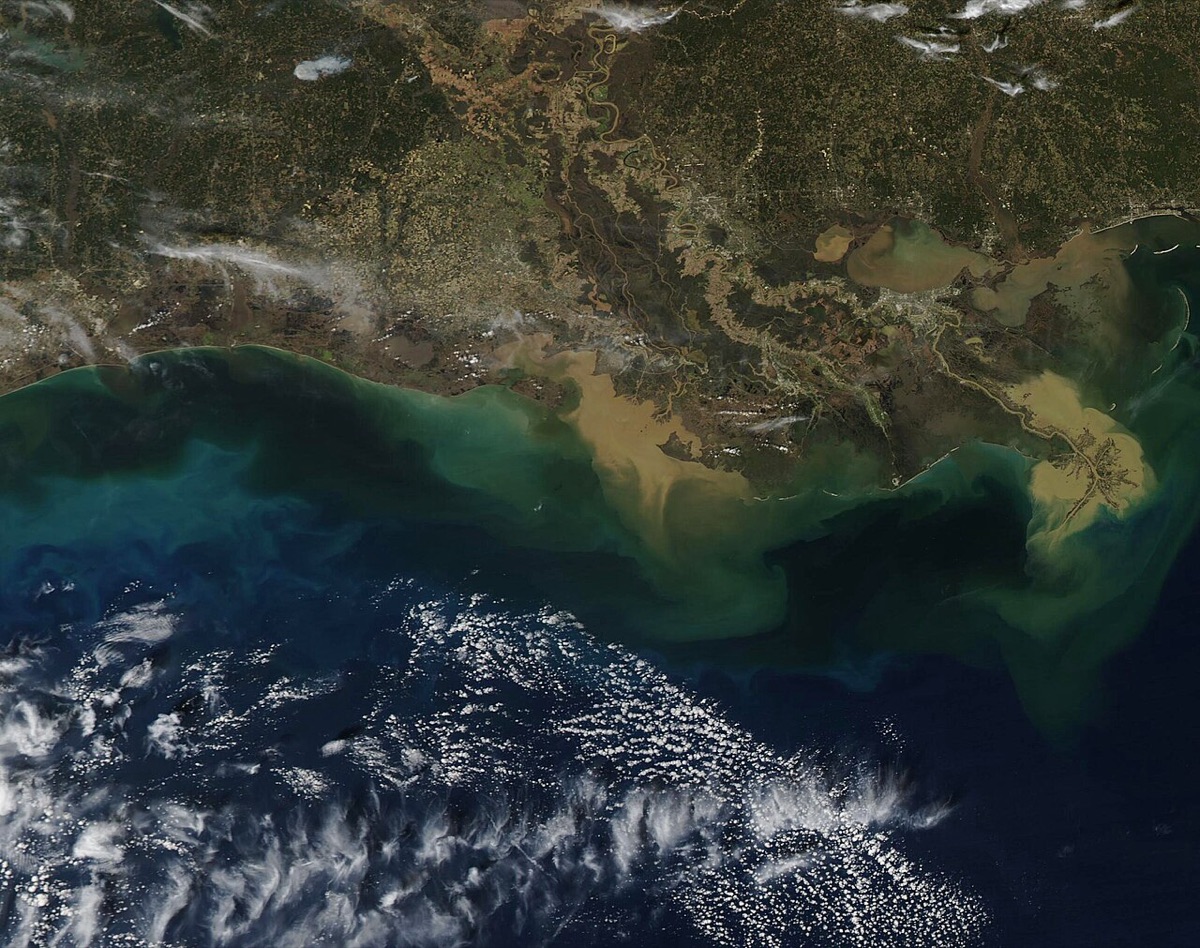
03 What went oops
The extra nitrogen goes somewhere
Crops take up only part of it. The rest washes into rivers and the sea, feeds algae and uses up the oxygen. Each summer the Gulf of Mexico grows a dead zone thousands of square miles wide.
- Nitrous oxide, a strong greenhouse gas
- Explosives for World War I
04 What they got right
The chemistry still holds
More than a century later the world still makes ammonia the way Haber and Bosch did. The fixes being tried now leave the process alone and use less of it: fertilizer applied at the right time, in the right amount, in the right place.
05 Could anyone have seen it coming?
Partly
The use in explosives was obvious by 1914. The damage to rivers, coasts and the climate was understood much later, once fertilizer use had grown many times over.
Pattern #1
Solve a shortage, create a surplus
- → #1Solve a shortage, create a surplus Too little becomes too much, and the extra goes somewhere.
- #2Too stable to go away Built to last, so it lasts where it shouldn't.
- #3The problem moves Fixed in one place, it lands in another.
- #4Great for one, bad for all Each user wins. When everyone uses it, everyone loses.
- #5Chasing the wrong number It hit its target. The target was the wrong one.
- #6The cure breeds resistance Kill most of the problem and the survivors take over.
- #7The reward gets gamed People chase the incentive instead of the goal.
- #8Cheap now, paid later The bill arrives decades after the benefit.
- #9The lesson flipped Built to teach one lesson, it taught the opposite.
The verdict so far
Is Fritz Haber Midgley-worthy?
Vote and argue at backfireawards.com/n/haber
Follow the Backfire Awards for a new backfire every week.
Oops ? · Herd ? (1 vote so far) · scores
Synthetic ammonia (Haber-Bosch) Industrial explosives, fertilizer runoff, nitrous oxide emissions and a disrupted global nitrogen cycle.
What went right
Industrial nitrogen fixation made fertilizer abundant and helped make today's population supportable.
What went oops
Industrial explosives, fertilizer runoff, nitrous oxide emissions and a disrupted global nitrogen cycle.
Could anyone have seen it coming?
Partly knowable
Sources
Further reading
- How a century of ammonia synthesis changed the worldJan Willem Erisman and others, Nature Geoscience, 2008 · Paper
- Enriching the Earth: Fritz Haber, Carl Bosch, and the Transformation of World Food ProductionVaclav Smil, MIT Press, 2001 · Book
- The Alchemy of AirThomas Hager, Harmony Books, 2008 · Book
- Dead zone (ecology)Wikipedia · Article
- Haber processWikipedia · Article
Image credits
- Guano Mining in Chincha Islands Peru (1865)Henry de Witt Moulton, 1865. Public domain. Resized.Source
- Sediment and Phytoplankton in the Gulf of Mexico (MODIS)NASA GSFC, MODIS Land Rapid Response Team, 2023-02-13. Public domain (NASA). Resized.Source
- Autographed etching of Fritz HaberEmil Orlik (1870 to 1932), 1922. Public domain. Cropped to the plate; resized.Source
- Wheat harvest on the PalouseU.S. Department of Agriculture, Before 2004. Public domain (U.S. government work). Resized.Source






Anonymous Fuck this guy 2h ago ·